https://www.cexpet.com/decoding-renaissance-masterpieces-divine-art-history/
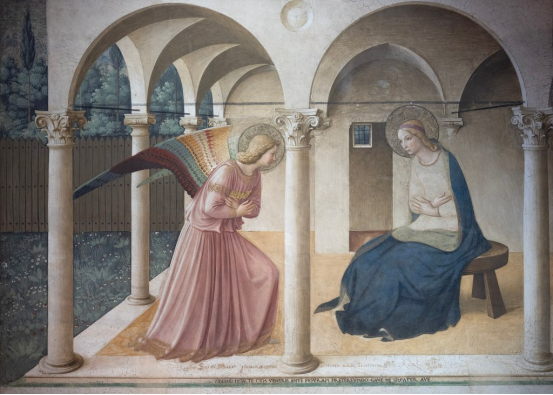
Under the starry sky of the Renaissance, Fra Angelico’s “The Annunciation” twinkles like a warm, quietly glowing star. Its reverent, soft tones, and divine atmosphere shrouded in a golden halo, almost evoke a quiet encounter between the divine and the human. More than a painting, it’s a visual prayer—an invitation to quiet contemplation. Today, let’s journey into the cloisters of the Convent of San Marco in Florence and delve into every subtle detail and profound meaning of this painting.
1. What is the Annunciation of Conception?
This fresco was painted by Fra Angelico (real name Guido di Pietro, c. 1395-1455) for the Convent of San Marco in Florence between 1440 and 1445. Located on the wall of the north corridor of the convent’s dormitories, it depicts one of the most classic themes in Christian art: the Archangel Gabriel announcing to Mary that she will conceive and give birth to Jesus.
Interestingly, the painting was not originally intended for public display, but rather for the monks’ meditation—a focus for their daily spiritual practice. This functionality dictates the mood conveyed by the painting: both tranquil and awe-inspiring.
2. In-depth Analysis of the Image: Symbols and Theology
Fra Angelico’s genius lies in his ability to render complex theology clearly in visual language—serene, elegant, and richly symbolic.
Key characters: Gabriel and Maria
Gabriel kneels in the center, his posture both graceful and respectful, his wings slightly outstretched, as if they had just stopped fluttering. Mary sits on a small wooden chair, leaning slightly forward, her arms folded across her chest. Her humility and submission are evident, but if you look closely, you can also detect a subtle surprise within her—as if she’s wondering: Is this truly God’s will?
Between the two people, the simple colonnade and perspective techniques create a sense of holy and private space, making the viewer feel as if they are invited into this sacred dialogue.
Golden halo and sacred symbols
The most striking feature of the painting is the golden halo surrounding the figures, a traditional medieval technique symbolizing divine presence. The golden light emanating from the upper left corner points towards Mary, visually representing the concept of the Incarnation.
The enclosed garden (hortus conclusus) on the left side of the painting is another symbol, representing Mary’s chastity. You will find that these elements seem to whisper a theological story – quietly but powerfully.
3. Artist Background: Why is he called the “Frak Painter”?
Understanding this painting requires an understanding of Fra Angelico’s identity.
“Fra” means “brother,” and “Angelico” means “angelic.” Biographer Vasari recorded that he prayed before painting and never altered his brushstrokes, believing that every stroke was divinely inspired.
This also explains why his works are free of any ostentation, only pure piety and inner tranquility. Every stroke is like a whisper: here there is faith, as well as a soft understanding of beauty.
4. How to Appreciate This Renaissance Masterpiece
Faced with such a work, you can try these three steps:
Take in the overall atmosphere
before analyzing the details. Step back and immerse yourself in the tranquility, harmony, and humility of the painting. Angelico’s art always touches the heart first and then challenges the mind.
Identify the Symbols
Next, notice the golden light, the halo, the enclosed garden, the angel’s wings, the figures’ postures and expressions. These elements are like “silent theology books,” each whispering a divine story.
understand the context of the creation
. Imagine it originally stood in a monastery corridor. It wasn’t intended for exhibition, but for the monks’ daily prayers. Only by understanding this can you truly appreciate the tranquil power of the painting.
5. Conclusion: The Eternal Beauty of the Spirit
What truly moves us about the Annunciation is not just its visual beauty but its spiritual power. Fra Angelico, with his devotion and talent, transforms the divine message into a palpable expression of serenity, humility, and grace. It reminds us that art not only depicts beauty but can also serve as a bridge to faith and contemplation. Centuries later, the painting remains deeply moving because it captures the most primal human emotions—awe for the sacred and a longing for tranquility.
https://www.cexpet.com/decoding-renaissance-masterpieces-divine-art-history/
